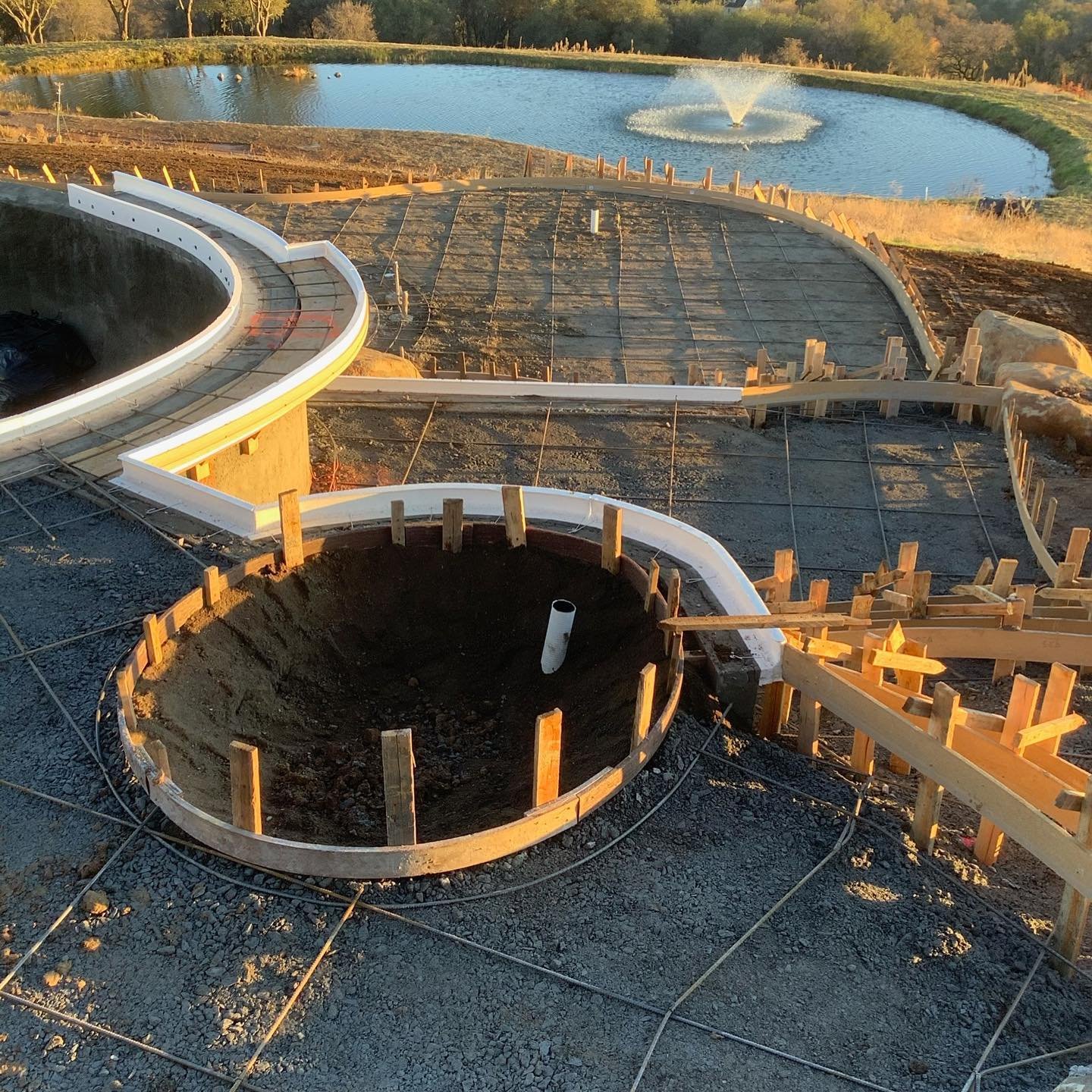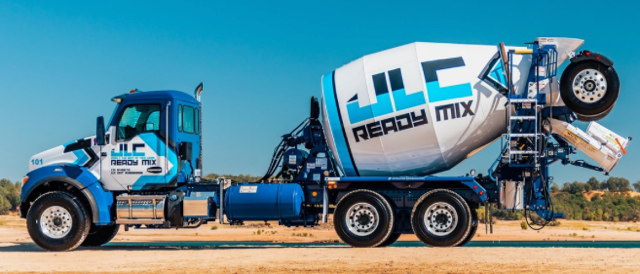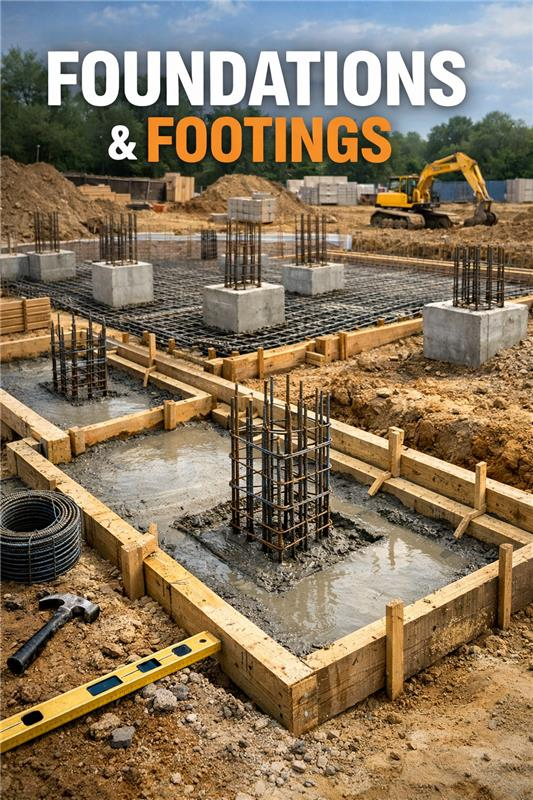
Concrete is unforgiving. Once the truck arrives and the pour begins, there's no pausing to fix a poorly prepared sub-base or a form that's slightly out of level. The difference between a pour that goes smoothly and one that becomes a costly problem almost always comes down to preparation. At JLC Ready Mix, we've delivered to thousands of job sites across Placer, Sacramento, and surrounding counties — and we've seen what separates a great pour from a problematic one.
1. Confirm Your Yardage Before You Order
Use our concrete calculator to estimate your cubic yards: Length (ft) × Width (ft) × Thickness (in) ÷ 12 ÷ 27. Always add 5–10% for waste and overage. Running short mid-pour is one of the most disruptive problems on a job site — a cold joint between loads can compromise structural integrity.
2. Prepare the Sub-Base
- Compact the sub-grade to prevent settling and cracking
- Add 4–6 inches of compacted gravel base for slabs
- Ensure proper drainage slope — typically 1/8" per foot away from structures
- Moisten the sub-base before the pour in hot weather to prevent rapid moisture loss
- Remove any organic material, debris, or standing water
3. Set and Brace Your Forms
Forms must be level, plumb, and strong enough to handle the lateral pressure of wet concrete. Check every stake and brace — a blowout mid-pour wastes concrete and creates a dangerous situation.
- Use 2×4 or 2×6 lumber for standard residential slabs
- Stake every 2–3 feet and double-stake at corners
- Oil or wet forms before the pour to prevent sticking
- Double-check dimensions and square before calling for delivery
4. Place Reinforcement Correctly
- Position rebar or wire mesh at mid-depth of the slab, not on the ground
- Use chairs or dobies to hold reinforcement at the correct height
- Overlap wire mesh by at least 6 inches and tie at intersections
- For structural applications, follow engineer specifications exactly
5. Plan Your Truck Access
A ready mix truck weighs up to 66,000 lbs fully loaded. Before your JLC delivery arrives:
- Clear a path at least 10 feet wide and 14 feet high
- Check that the ground can support the truck weight — soft or wet soil can cause trucks to sink
- Identify the closest point the truck can reach your pour area
- If direct access isn't possible, arrange a concrete pump in advance
- Notify JLC dispatch of any access restrictions when you order
6. Have Your Crew and Tools Ready
Concrete waits for no one. Have everything staged before the truck arrives:
- Screeds, floats, trowels, and edgers within reach
- Enough crew to spread, screed, and finish without delays
- Vibrator for structural pours to eliminate air pockets
- Curing compound or plastic sheeting ready for after the pour
- Water source nearby for tool cleanup
7. Check the Weather
Temperature and humidity significantly affect concrete performance. In Northern California's hot summers, concrete can stiffen faster than expected. In winter, cold temperatures slow curing and can cause freeze damage.
- Avoid pouring when temperatures exceed 90°F without hot-weather precautions
- Don't pour when temperatures will drop below 40°F within 24 hours
- In hot weather, schedule morning pours and keep sub-base moist
- Ask JLC dispatch about accelerated or retarded set admixtures for extreme conditions
Why JLC Ready Mix Makes Your Pour Easier
Beyond preparation, your ready mix supplier plays a major role in pour success. JLC Ready Mix's GPS-tracked fleet means you get accurate ETAs so your crew isn't standing around waiting. Our automated batching ensures every load matches your spec. And our dispatch team is available to answer questions and coordinate timing — because we understand that a concrete pour is a time-critical operation.
Have questions about your upcoming pour? Call our dispatch team at 916.253.9017 or submit an order online.